Although the waters bathing the coast of the Algarve are those of the Atlantic Ocean, the region has always been heavily influenced by the Mediterranean. Many of the peoples who settled here, among them Phoneticians, Carthaginians, Romans and Arabs, originally came from Mediterranean lands. The region’s temperate climate owes much to the effects of the currents of warm air from the Mediterranean and has always affected the way in which the soil is used and the choice of crops to be cultivated.
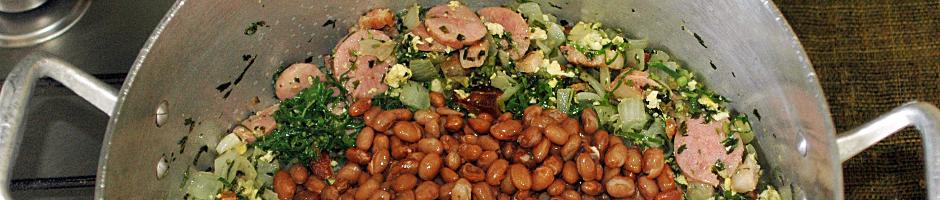
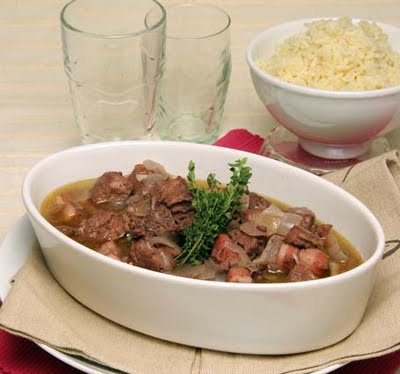
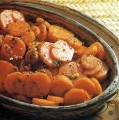
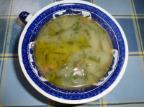
The cuisine in these rural areas is very diverse, with vegetables, dried pulses and meats often being combined. Meats were generally slow-cooked as stews so that the bones could easily be separated from the meat. Pulses and, finally, fresh vegetables would then be mixed into the dish, giving rise to a variety of different types of stews and casseroles.
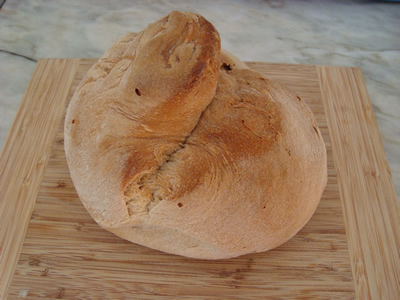
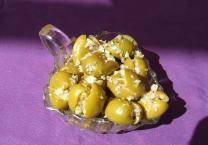
Such traditional dishes are deeply-rooted in the rural Algarve since they provided the energy needed to work in the fields for long periods at a time, often from dawn till dusk. Snacks between meals would often consist of bread and olives, and small amounts of chorizo sausage.
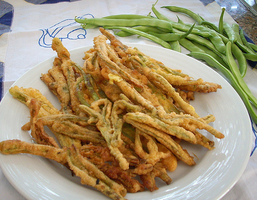
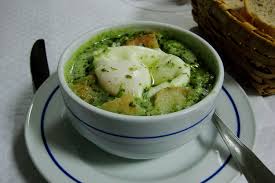
Pulses, either fresh or dried depending on the time of year, were and still are consumed in large quantities. Broad beans are served with fried fish or chorizo sausage, while peas are normally served with poached eggs.
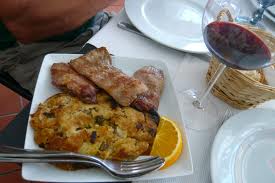
Pork assumed a position of particular importance since it is highly versatile and an excellent source of nutrients . The annual matança slaughter of the pig was a festive occasion for the entire family, with everyone lending a hand. Timing was important – normally between November and March – because this made it easier to conserve the meat, but the phases of the moon were also taken into account and a number of well-organised rituals would be followed too. Nothing would go to waste: the blood, fresh and salted meat, hams, choriços and other salami-style sausages, bacon and lard, among others, would all be used. The pig, therefore, was effectively the ideal pantry. It would be fed and fattened over the course of the year and would then provide food that would be consumed over the whole of the following year. However, the meat itself was only eaten in small quantities, often serving as a seasoning for dishes in which the main ingredients were vegetables and fresh or dried pulses.
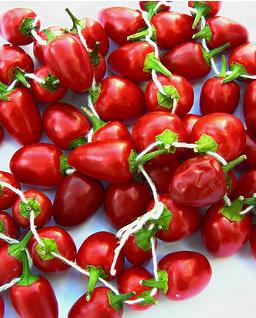
Olive oil is firmly rooted in the diet, alongside onions, tomatoes, peppers and garlic. The dried or fresh aromatic herbs, such as oregano, parsley, coriander, pennyroyal, mint and others subtly add aroma and flavour to dishes and also make them healthier since they help keep down the amount of salt added and also serve as an aid to digestion. Dishes made with pork are the most common, but game, which has always been abundant in this area, particularly hare and partridge, is also used regularly.
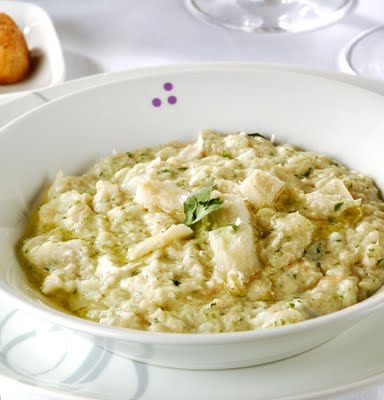
And then of course there is bacalhau! This dried and salted codfish is being used all over Portugal since ages, and also in the Algarve there exist many recipes with codfish. Christmas is traditionally a time where bacalhau is on the menu.